
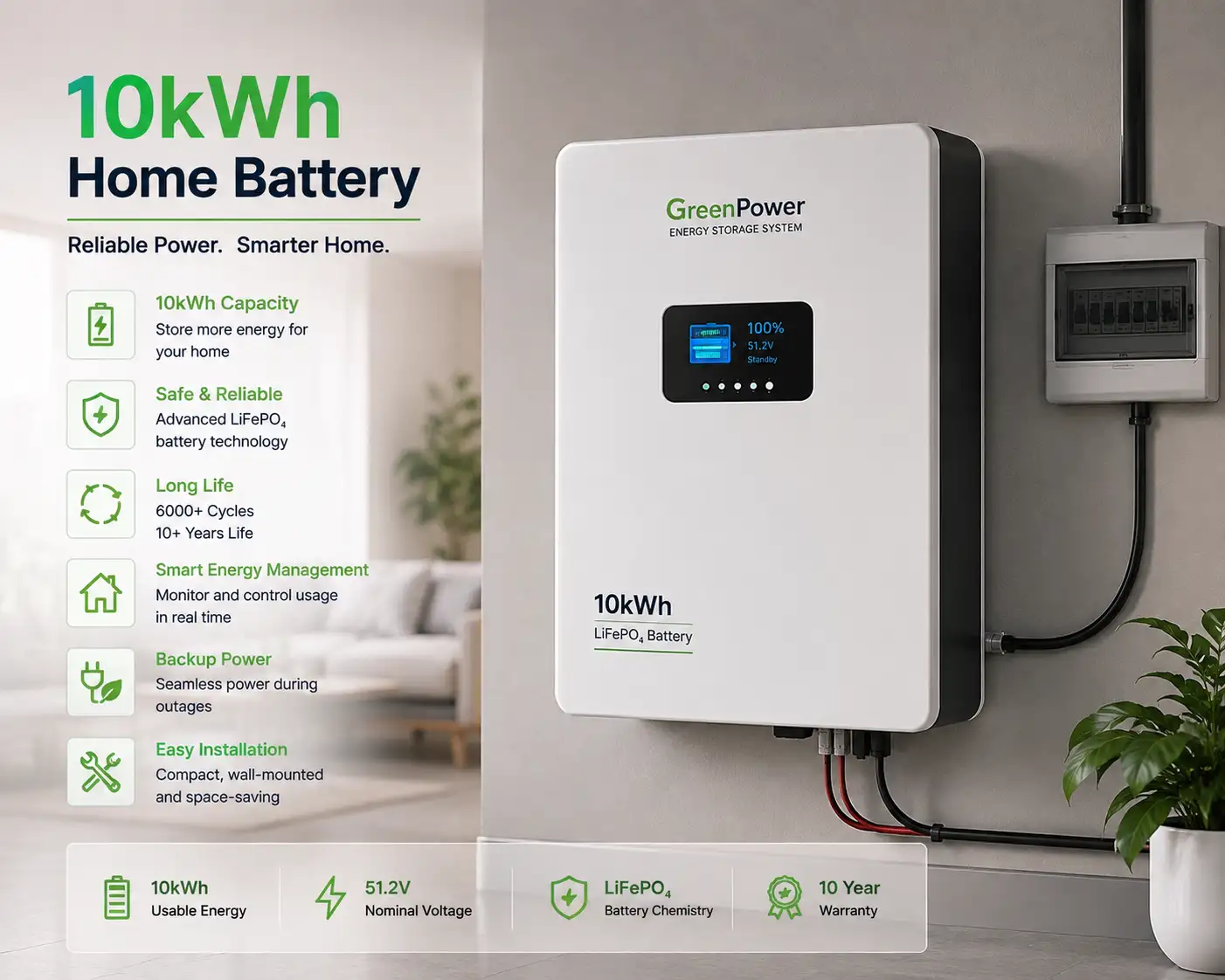
Solar and wind power only generate electricity when the sun shines or the wind blows — but demand doesn't follow the same schedule. Battery energy storage is what closes that gap, turning intermittent renewable generation into a dependable, round-the-clock power source. As India's renewable capacity multiplies, storage is quickly moving from an optional add-on to a core part of every serious clean-energy project.
Why Energy Storage Is India's Next Big Opportunity
India's renewable energy capacity has grown faster than its grid's ability to absorb intermittent supply, creating a widening need for storage that can smooth out generation peaks and evening demand spikes. Falling battery cell prices, growing industrial and commercial appetite for uninterrupted power, and rising diesel-generator running costs have together created a rare window where storage is both a technical necessity and a financially sound investment — not a future consideration, but a present one.
Types of Battery Storage Technology
Lithium-ion battery energy storage systems (BESS) dominate the commercial and industrial market today, prized for their high energy density, fast response times and steadily falling costs. Emerging chemistries such as sodium-ion and flow batteries are gaining ground for large, stationary installations where cost per cycle matters more than compact size. Choosing the right technology depends on your use case — a factory smoothing peak-demand charges has very different requirements from a solar farm shifting daytime generation into evening supply.
Storage vs Diesel Backup
For decades, diesel generators have been the default backup for Indian businesses facing grid outages. Battery storage flips that equation — it charges silently from solar or grid power during off-peak hours and discharges instantly when needed, with none of the fuel cost, noise or emissions of a genset. Paired with rooftop solar, a properly sized battery system can eliminate diesel dependency entirely for most commercial and industrial backup needs, while also cutting demand charges by discharging during expensive peak-tariff hours.
Sizing Your Storage System Correctly
An undersized battery system leaves you exposed during longer outages or high-demand periods; an oversized one ties up capital in capacity you rarely use. Correct sizing starts with understanding your actual load profile — critical loads that must never go down, average daily consumption, and how many backup hours you realistically need — rather than picking a battery based on budget alone. This is also where pairing storage capacity with your existing or planned solar array matters, since an unbalanced system either wastes generation or starves the battery of charge.
What to Look For Before Investing
Not every battery pack on the market is built for Indian operating conditions. Cell quality, thermal management and the sophistication of the battery management system (BMS) directly determine safety, cycle life and how much usable capacity remains after years of daily charge-discharge cycles. A system with weak thermal design can degrade rapidly in high-ambient-temperature environments, so verifying certifications, warranty terms and real-world cycle-life data matters far more than comparing sticker prices alone.
Financing and Ownership Models
Businesses don't need to fund a battery system entirely upfront. Outright purchase delivers the best long-term economics, while leasing and energy-as-a-service models let organizations add storage with little initial capital, paying instead for guaranteed backup or demand-charge savings over time. Matching the ownership model to your cash flow and how long you plan to operate from the site is a key decision that shapes the entire return on investment.
The Road Ahead
As battery costs continue to fall and grid operators increasingly reward flexible, storage-backed demand, energy storage is set to become as standard a part of a renewable energy system as the solar panels or wind turbines themselves. Businesses that add storage early don't just gain reliability — they lock in lower operating costs and a stronger negotiating position as electricity tariffs and peak-demand charges continue to rise.